LA EDAD DE ORO
Before there was Project LEDO, there was a book.
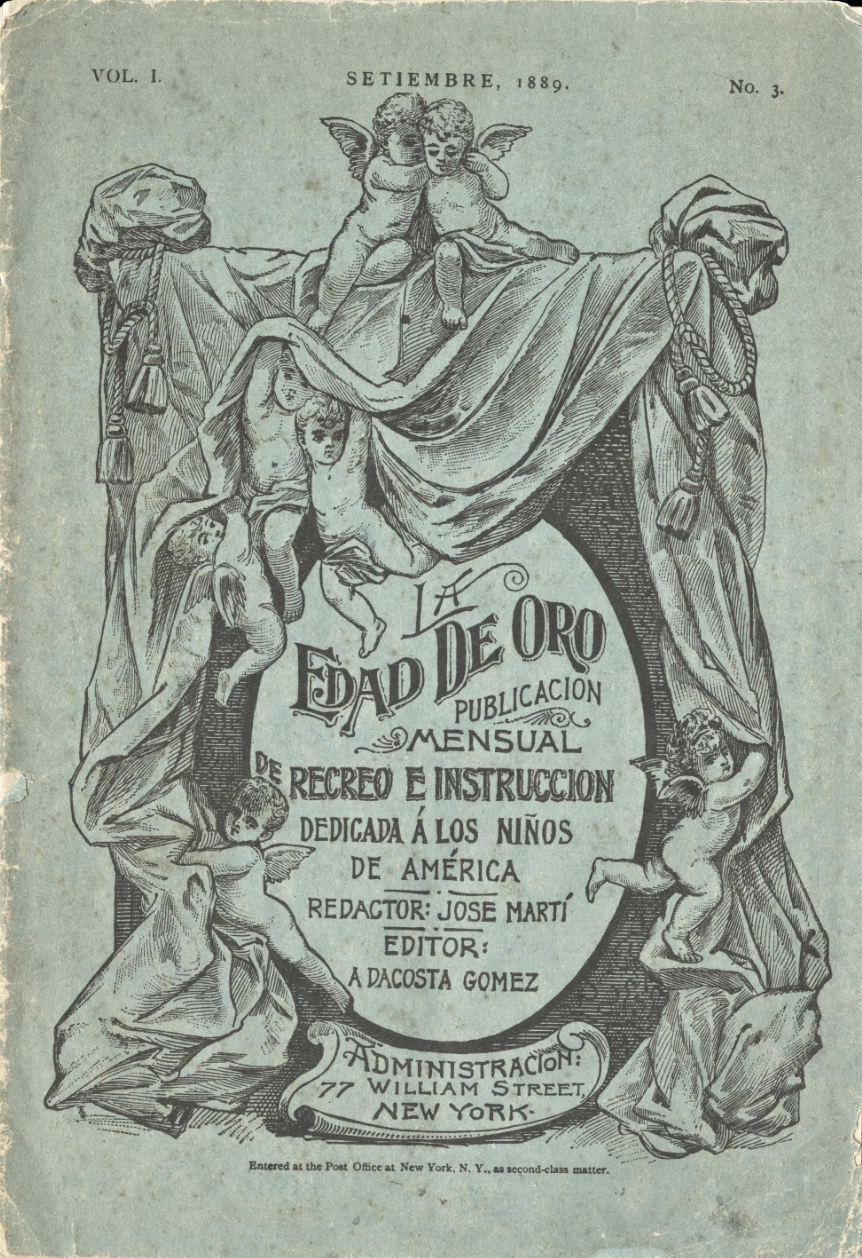
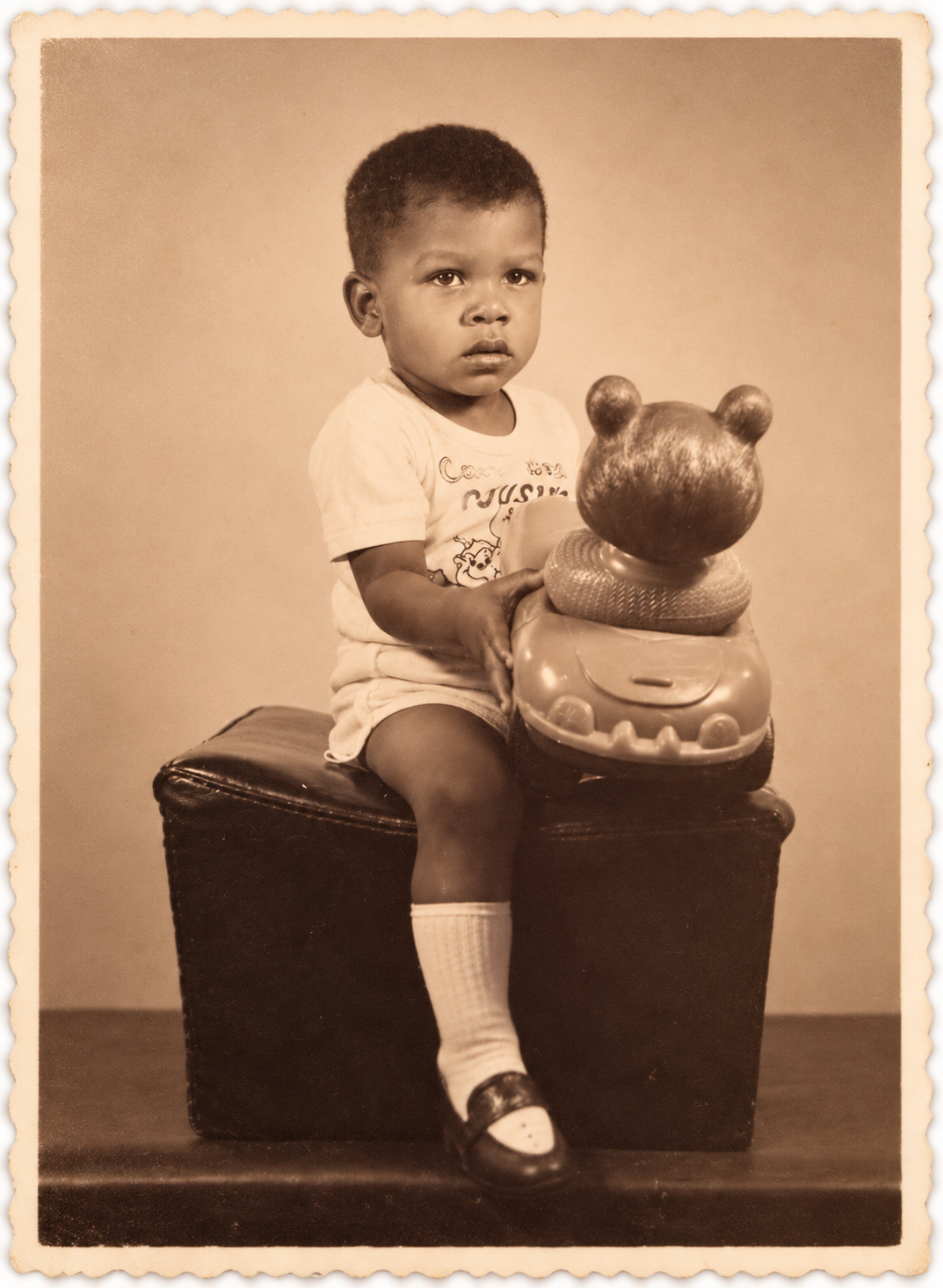
When Project LEDO founder Fidel Ferrer was a young boy growing up in Cuba, La Edad de Oro was one of the books his mother read to him.
Written by Cuban writer José Martí, La Edad de Oro was originally created in 1889 for the children of the Americas.
Martí used stories, poetry, history, science, culture, inventions, machines, and ideas from around the world to encourage young people to become curious about the world around them.
Years later, that childhood experience would help inspire the name:
La Edad de Oro was not simply children's literature.
José Martí wanted young people to understand the world.
The publication encouraged curiosity while carrying ideas of dignity, compassion, knowledge, justice, love, and responsibility.
Martí believed deeply in the potential of young people and in preparing them for the world they would inherit.
EVERY CHILD CARRIES SOMETHING PRECIOUS.
Gold is precious. It has value before anyone shapes it.
Project LEDO approaches young people from that same belief.
We do not see young people as problems that need to be fixed.
Our responsibility is to create environments where those things can be nurtured.
Project LEDO exists to protect, cultivate, challenge, and expand that potential.
Technology is one of the tools we use to do it.
What should young people understand about the world they are inheriting?
Martí wrote for children about the technologies and discoveries transforming his world — machines, electricity, engineering, transportation, science, and invention.
Project LEDO asks a similar question today.
CHILDREN ARE NOT JUST THE FUTURE.
THEY ARE ALREADY CREATORS OF IT.
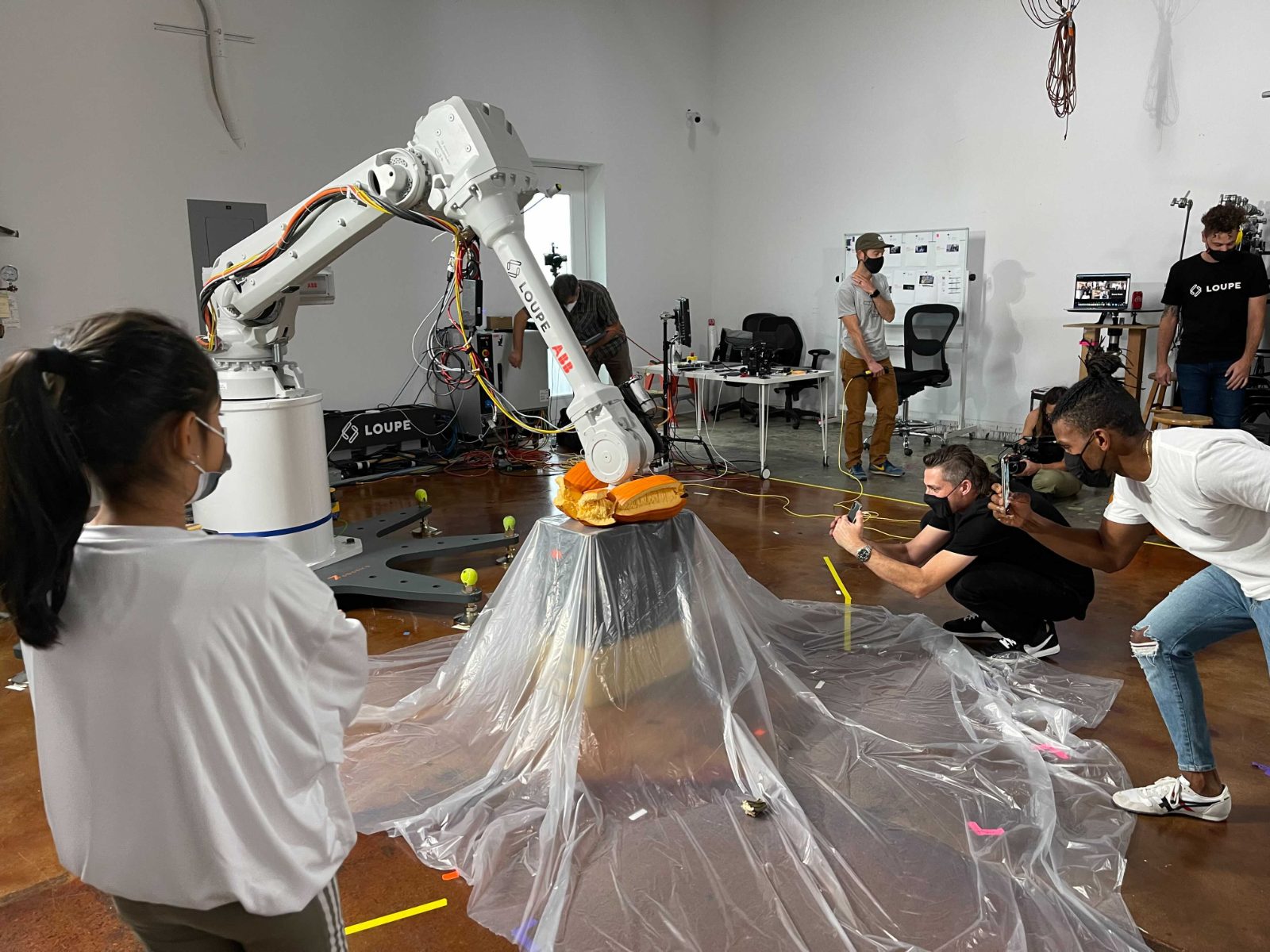
Project LEDO creates spaces where young people—particularly those historically excluded from technology education and technology careers—can explore, question, build, fail, rebuild, compete, create, and lead.
We believe access alone is not enough.
Young people need:
Four ideas behind our work
Our mission is to prepare young people from communities historically excluded from technology to understand the systems shaping their world, build with the technologies shaping our future, and lead with the confidence that they belong in both.
A future where every young person has the opportunity to understand, build, and lead with technology.
Technology is our medium. Belonging is our purpose.
THE GOLDEN AGE IS NOT BEHIND US.
WE ARE NURTURING IT NOW.
Every student who walks into a Project LEDO classroom, picks up a robot, opens a computer, builds a circuit, explores a semiconductor, asks a question, solves a problem, or imagines something that does not yet exist carries possibility.
Our work is to make sure they have the knowledge, tools, community, and opportunity to discover what they can do with it.